Can a Playlist Really Break an Artist? Inside the Power of Curated Listening in 2026
A single placement on the right playlist can change everything. For independent artists in 2026, a nod from a Spotify editor or an influential curator on TikTok Music is the new radio play. It can send a track from zero to millions of streams overnight. But the power of curated playlists in 2026 goes deeper than just numbers. It shapes how listeners find new music, how algorithms learn taste, and how artists build sustainable careers. We sat down with industry pros, looked at the data, and broke down exactly how this system works now.
Curated playlists in 2026 are the primary engine for music discovery, but their power is a double-edged sword. While they can launch an artist to viral fame, over-reliance on algorithmic gatekeeping can hurt long-term revenue. Success now requires a hybrid strategy: targeting editorial playlists for exposure while building direct fan relationships to stabilize income.
Why a Playlist Can Still Make or Break Your Year
Think of a curated playlist as a modern radio station. But instead of one DJ, you have two types of gatekeepers. The first is the human editor. These are the tastemakers at Spotify, Apple Music, and Amazon who handpick songs for flagship playlists like RapCaviar or Mint. The second is the algorithm. Platforms like Spotify use machine learning to generate personalized playlists like Discover Weekly and Release Radar.
In 2026, the power of curated playlists lies in their ability to bypass traditional marketing. You do not need a publicist or a label deal. You need a song that hooks a listener in the first five seconds and a strategy to get it in front of the right curator.
“The playlist is the new album,” says Maria Chen, a digital strategist who has worked with three Grammy-nominated artists in the last two years. “If your song lands on an editorial playlist with five million followers, you have just been handed a listening session that would cost a label six figures to buy in ads. The catch is that you have to keep those listeners after the playlist drops you.”
That last part is the key. The power of curated playlists in 2026 is not just about the initial spike. It is about what happens after.
The Real Economics of Playlist Placement
Let us talk about money. A single stream on Spotify pays roughly $0.003 to $0.005. It does not sound like much. But if a track lands on a major playlist and generates one million streams, that is between $3,000 and $5,000. For an independent artist, that can cover a month of studio time or a small tour.
But here is the math that matters more. Artists who rely only on playlist streams often see their income drop when the song rotates out. The power of curated playlists in 2026 is most effective when used as a discovery tool, not a revenue stream. The real money comes from the fans who stick around. They buy merchandise. They come to shows. They join Patreons.
| Strategy | Goal | Risk |
|---|---|---|
| Editorial playlist pitch | Mass exposure | Short lifespan on playlist |
| Algorithmic playlist targeting | Sustained discovery | Low control over placement |
| Direct fan playlist building | High loyalty | Slower growth |
| Third-party curator outreach | Niche audience access | Potential for pay-to-play scams |
How to Build a Playlist Strategy That Works in 2026
You cannot just submit a song and hope for the best. The landscape is too crowded. Here is a practical, numbered process used by artists who have successfully broken through the power of curated playlists in 2026.
-
Perfect your first five seconds. Curators and algorithms both judge a song in the opening moments. Cut any long intros. Lead with your hook. If the listener does not feel something immediately, they will skip.
-
Target the right tier of playlist. Do not just aim for the biggest editorial lists. Find mid-tier playlists with 10,000 to 100,000 followers that match your genre. Their curators are more responsive, and the engagement rate is often higher.
-
Use Spotify for Artists and Apple Music for Artists data. Look at where your current listeners are. If your data shows a strong following in a specific city or genre community, pitch playlists that serve that audience. The algorithm rewards relevance.
-
Build your own playlist. Create a curated list that includes your music alongside similar artists. Promote it on your social channels. This signals to the algorithm that you are an active curator, which can boost your chances of appearing on algorithmic playlists.
-
Submit to editorial playlists six weeks before release. The window is tight. Use Spotify for Artists to pitch directly. Write a short, honest pitch. Explain why the song fits the playlist. Do not exaggerate your numbers.
Common Mistakes That Kill Playlist Success
The power of curated playlists in 2026 is real, but so are the pitfalls. Many artists hurt their own chances by making these errors.
-
Paying for placement on shady playlists. Avoid any service that guarantees a spot on a playlist for a fee. These playlists are often filled with bots. They can get your account flagged and your music removed by streaming platforms.
-
Ignoring the data after placement. Getting on a playlist is step one. You must watch how listeners react. Are they saving the song to their own libraries? Are they adding it to their personal playlists? If not, the algorithm will stop recommending it.
-
Releasing music too often. Flooding the market with low-quality tracks confuses both curators and your audience. Focus on fewer, stronger releases. Make each one count.
-
Forgetting about the visual side. A playlist cover is often the first thing a potential listener sees. If your single artwork looks amateur, they will assume the song does too. Invest in good visuals.
The Hidden Role of Collaborative Playlists
One of the most underrated aspects of the power of curated playlists in 2026 is the rise of collaborative playlists. These are lists that multiple users can add to. They are popular on platforms like TikTok Music and Spotify.
Artists and fans can build these together. It creates a community feel. If you start a collaborative playlist for a specific mood or scene and invite your followers to add songs, you create a living document of your audience’s taste. This strengthens the relationship between you and your listeners. It also keeps your music in rotation longer.
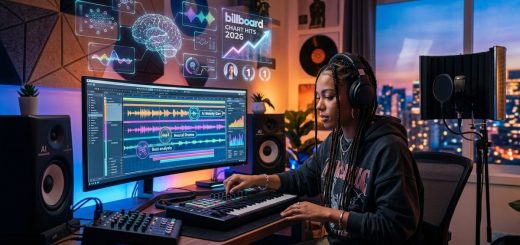
For a deeper look at how technology is shifting the way we listen, check out our feature on how independent artists are leveraging AI to produce chart-topping hits in 2026.
Why 2026 Feels Different for Artists
The music industry has been obsessed with playlists for years. But in 2026, something shifted. Streaming platforms are paying more attention to user engagement signals. That means a song that gets high save rates and repeat listens will stay in algorithmic circulation longer.
Artists are also getting smarter. They are no longer treating a playlist placement as the finish line. They see it as the starting gun. The ones who succeed are the ones who use that initial wave of listeners to build a mailing list, grow a TikTok following, and sell tickets to a local show.
The power of curated playlists in 2026 is not just about the algorithm. It is about the human connection that happens after the stream ends.
Putting the Power to Work for You
Start small. Pick your best song. Polish it until it shines. Then pitch it to three mid-tier playlists that match your sound. While you wait, build your own playlist and share it with your fans. Watch the data. Learn what works. Adjust.
The power of curated playlists in 2026 is a tool, not a miracle. It works best when you combine it with good music, smart marketing, and a genuine relationship with your audience. If you want to understand more about how listening habits are changing, read our piece on how hyperpop redefined mainstream music in 2026.
Your Next Move After the Playlist
Getting on a playlist is exciting. But the real work starts when the streams come in. Thank your new listeners. Ask them to follow you on social media. Offer them something exclusive, like a demo or a behind-the-scenes video. Turn a passive listener into an active fan.
The power of curated playlists in 2026 is undeniable. It can break an artist wide open. But it is up to you to build something that lasts beyond the playlist. Go make that connection.