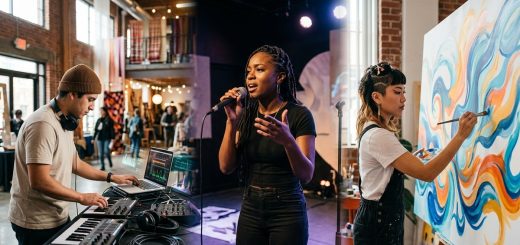
Celebrating Diverse Voices in Contemporary Art
Art has always been a mirror of society. Today, it is also a platform for amplifying voices that have historically been underrepresented. From indigenous artists to LGBTQ+ creatives, celebrating diverse voices in contemporary art brings fresh perspectives and fosters a richer cultural dialogue. This movement not only transforms the art scene but also encourages us all to rethink notions of beauty, value, and storytelling. Understanding and supporting this shift makes the art world more vibrant, inclusive, and reflective of the world we live in.
Celebrating diverse voices in contemporary art involves recognizing underrepresented artists, supporting inclusive practices, and promoting dialogues that challenge traditional norms to create a more vibrant and equitable cultural landscape.
The Significance of Embracing Diversity in Art
Diversity in art is about more than representation. It is about authenticity, voices, stories, and experiences that broaden our understanding of human existence. When artists from varied backgrounds share their narratives, they challenge stereotypes and open pathways for meaningful conversations. This inclusivity fosters empathy and understanding across communities.
Historically, many artists faced barriers due to ethnicity, gender, sexuality, or cultural background. Today, the art community is increasingly aware of its role in rectifying these imbalances. Celebrating diverse voices helps break down stereotypes and broadens the scope of what is considered valuable or beautiful in art.
Who Are Shaping the Future of Diversity in Art?
Indigenous Creators
Indigenous artists bring centuries of cultural traditions into contemporary art forms. Their work often explores themes of land, identity, and resistance. Artists like Raven Sköld or Brooke Anderson use their platforms to highlight issues faced by their communities and preserve cultural heritage. Their voices add vital layers to the global art conversation.
LGBTQ+ Artists
LGBTQ+ artists challenge societal norms around gender and sexuality. They use their art to express identity, resilience, and love. Creatives such as Zanele Muholi or Cassils have gained recognition for their powerful visual stories. Their work pushes boundaries and encourages acceptance.
Artists from Underrepresented Ethnic Backgrounds
Artists from diverse ethnic backgrounds often confront stereotypes and cultural misinterpretations. Their work illuminates their unique histories and contemporary experiences. For example, Ghanaian-American artist El Anatsui uses recycled materials to comment on post-colonial identity and global interconnectedness.
How The Art World Is Supporting Underrepresented Voices
1. Inclusive Exhibition Programming
Galleries and museums are intentionally curating shows that spotlight underrepresented artists. Initiatives like The National Museum of African American History and Culture or The Museum of Contemporary African Diaspora Arts demonstrate this commitment. They create platforms where diverse stories can flourish.
2. Mentorship and Funding Opportunities
Supporting artists through grants, residencies, and mentorship programs helps foster talent from marginalized communities. Organizations such as The Andy Warhol Foundation provide resources that enable artists to develop their visions without financial constraints.
3. Community-Driven Projects
Many artists are leading community-based projects that celebrate cultural heritage and promote dialogue. These initiatives reinforce the importance of local voices and ensure that art remains accessible and relevant.
Practical Steps for Supporting Diverse Voices
- Attend exhibitions that focus on underrepresented artists.
- Share and promote works by marginalized creators on social media.
- Support organizations and grants dedicated to diversity in art.
- Educate yourself on cultural histories and contemporary issues faced by different communities.
- Advocate for inclusive practices within institutions and collections.
- Participate in community art projects that amplify local voices.
- Buy art directly from diverse artists or cooperatives.
- Mentor emerging artists from underrepresented backgrounds.
- Incorporate diverse art in educational settings to broaden perspectives.
- Challenge stereotypes and assumptions whenever you encounter them in the art world.
Techniques and Pitfalls in Showcasing Diversity
| Technique | What it Achieves | Common Mistakes |
|---|---|---|
| Authentic storytelling | Builds genuine connection | Tokenism or superficial narratives |
| Collaborative projects | Fosters community engagement | Cultural appropriation or misrepresentation |
| Inclusive curatorial practices | Broadens perspectives | Marginalizing or ignoring voices within communities |
| Education and dialogue | Promotes understanding | Relying solely on surface-level diversity |
| Supporting grassroots artists | Preserves cultural authenticity | Overlooking emerging talents or local voices |
“True inclusivity in art is about creating space for voices that challenge the status quo and push boundaries. It requires listening, learning, and supporting with sincerity.” – Cultural curator Maya Johnson
How Diverse Perspectives Influence Contemporary Artistic Trends
Innovation and Experimentation
Artists from varied backgrounds bring new techniques and narratives. This diversity leads to innovative forms that challenge traditional aesthetics. For example, mixed-media pieces that incorporate digital technology or indigenous craft techniques redefine what art can be.
Challenging Norms and Aesthetic Standards
Diverse voices question prevailing notions of beauty and value. They push the art scene to reconsider standards rooted in Western or Eurocentric norms. This shift encourages more inclusive definitions of artistry and success.
Fostering Cross-Cultural Collaborations
Globalization and digital platforms facilitate cross-cultural exchanges. Artists collaborate across borders, blending styles and traditions. These partnerships produce hybrid works that reflect a truly interconnected world.
Creating Space for Underrepresented Voices
Supporting the growth of diverse artists requires intentional actions:
- Curate exhibitions that prioritize underrepresented artists.
- Incorporate diverse voices into educational curricula.
- Provide platforms for community storytelling.
- Celebrate cultural festivals and art fairs dedicated to marginalized groups.
Moving Toward a More Inclusive Artistic Future
Inclusivity in art is a journey that involves ongoing effort. By actively supporting diverse voices, we help dismantle barriers and foster a richer cultural landscape. Institutions, artists, and audiences all play a role in shaping this future.
Final Words: Building Bridges Through Art
Supporting and celebrating diverse voices in contemporary art benefits everyone. It broadens our horizons, deepens understanding, and enriches cultural dialogues. Whether you are an art enthusiast, educator, or collector, your involvement can make a difference. Embrace opportunities to learn, share, and uplift the stories that need to be told. Together, we can foster a more inclusive and vibrant art world for generations to come.