Exploring the Influence of Digital Platforms on Modern Music Trends
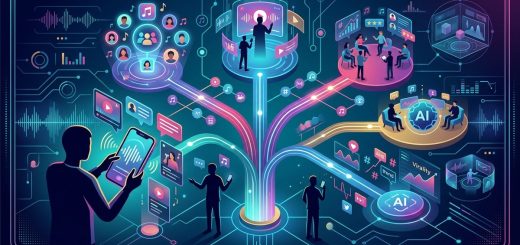
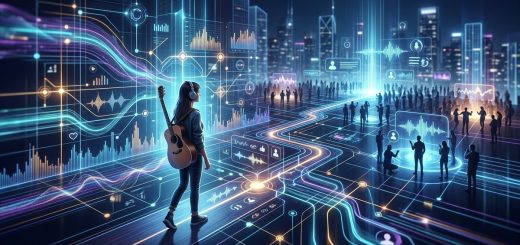
Music today is more dynamic and interconnected than ever before. Digital platforms like TikTok, Spotify, YouTube, and Instagram have transformed the way music is made, shared, and experienced. These platforms are not just channels for distribution; they actively shape the very fabric of current music trends. From viral challenges to personalized playlists, digital platforms influence what sounds resonate, which artists rise to fame, and how genres evolve. Understanding this influence sheds light on the modern music landscape and highlights opportunities for artists and industry professionals alike.
Digital platforms are the heartbeat of today’s music scene. They influence trending sounds, foster new artist discovery, and enable direct audience engagement, revolutionizing how music is created and consumed worldwide.
How digital platforms influence the sound of modern music
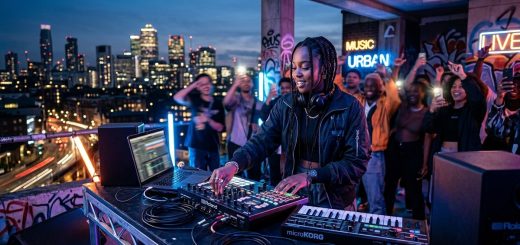
Digital platforms have democratized music creation and dissemination. Artists no longer rely solely on record labels or radio airplay to reach audiences. Instead, they utilize social media, streaming services, and video-sharing platforms to showcase their work. This shift has led to a surge in diverse sounds and genres that might struggle to find traditional outlets. Viral trends often originate from these platforms, leading to rapid shifts in popular music.
Viral challenges and trending sounds
Platforms like TikTok have become catalysts for viral music phenomena. When a song is used in hundreds of videos, it can skyrocket to mainstream charts. Take the example of “Old Town Road” by Lil Nas X, which gained momentum through TikTok before dominating global charts. These trends influence artists to craft catchy, hook-heavy tracks that are easy to incorporate into short-form videos, impacting songwriting and production styles.
Personalized playlists and algorithmic discovery
Streaming services leverage algorithms to recommend music based on listener habits. This personalization guides users toward specific genres or artists, often reinforcing niche sounds or emerging genres. Playlists like Spotify’s “Discover Weekly” introduce listeners to new artists, shaping their musical preferences and influencing what becomes popular.
The rise of user-generated content
User-generated content fuels new musical trends. Cover songs, remixes, and mashups often originate from fans and amateur creators, giving rise to fresh sounds and collaborations. This participatory culture encourages artists to engage directly with their audiences, fostering loyalty and co-creation.
The role of social media in shaping music trends
Social media platforms have become essential for music discovery and promotion. Unlike traditional media, these platforms enable real-time interaction and peer-to-peer sharing. As a result, trends can spread rapidly and organically, sometimes bypassing traditional gatekeepers.
Building artist brands through social media
Artists now use Instagram, TikTok, and Twitter to build personal brands. Regular updates, behind-the-scenes content, and direct messaging help create authentic connections. This transparency often translates into loyal fanbases that actively promote the artist’s work, accelerating trend cycles.
Engaging audiences with viral content
Creating viral challenges or memes tied to a song can propel it into mainstream consciousness. For example, the “Renegade” dance challenge helped boost the popularity of K Camp’s “Lottery.” These campaigns are often orchestrated or encouraged by artists and their teams, making social media a strategic tool for trendsetting.
Data analytics and audience insights
Platforms offer detailed analytics that help artists understand their audience’s preferences. By analyzing engagement and sharing patterns, artists can tailor their releases and promotional strategies to maximize impact.
Industry shifts driven by digital influence
Digital platforms have reshaped industry practices, from how artists are discovered to how music is marketed. The traditional model of record labels controlling access to audiences is evolving, giving rise to independent artists who leverage digital tools.
Direct artist-to-fan communication
Platforms like Bandcamp and Patreon facilitate direct monetization and engagement. Artists can share exclusive content, gather feedback, and build dedicated communities without intermediaries.
Emergence of new revenue streams
NFTs and blockchain technology provide fresh ways for artists to monetize their work. Limited edition digital collectibles and concert tickets are becoming common, opening new revenue channels that directly involve fans.
Changing touring and live performance dynamics
Virtual concerts and live streams have become prominent, especially during the pandemic. Platforms like Twitch and YouTube Live enable artists to reach global audiences in real time, often with interactive features that enhance fan engagement.
Techniques shaping current trends, and common pitfalls
| Technique | What to Do | Common Mistake |
|---|---|---|
| Viral challenges | Create catchy, easy-to-replicate content | Overcomplicating content or lacking authenticity |
| Algorithm optimization | Use platform-specific best practices for tagging and timing | Ignoring audience analytics or consistency |
| Collaborations | Partner with influencers or other artists | Relying solely on big-name collaborations without genuine synergy |
| Consistent branding | Maintain an authentic, relatable presence | Inconsistent messaging or over-polished personas |
“The key for artists today is authenticity. Platforms reward genuine, engaging content that resonates with audiences on a personal level.” — Music industry analyst
Practical steps for artists and industry pros
- Identify trending sounds and challenges regularly on platforms like TikTok and Instagram.
- Engage directly with your audience through comments, live streams, and user-generated content.
- Leverage data insights to refine your content strategy and focus on what resonates.
- Collaborate with other creators to reach new audiences and spark innovative ideas.
- Stay adaptable by monitoring platform updates and emerging digital tools.
How to harness digital influence for future success
Building a sustainable music career today requires understanding how digital platforms influence trends. Embrace the participatory nature of social media, stay flexible with your creative approach, and use data to guide your decisions. Whether you’re an artist, manager, or researcher, recognizing these digital dynamics can open new pathways to connect with audiences and shape the sound of tomorrow.
Making digital trends work for you
By following these practical steps, artists and industry professionals can turn digital influence into a competitive advantage. Staying current with platform algorithms, engaging authentically with fans, and experimenting with new tools are essential. Remember, the digital landscape is constantly shifting, but those who adapt quickly and stay genuine will find the most success.
Engaging with the future of music in the digital age
Digital platforms are more than just distribution channels. They are active participants in shaping musical creativity and industry standards. As new tools and trends emerge, the most successful artists and professionals will be those who understand and harness the power of these platforms. Staying curious and adaptable is the key to thriving in this evolving music environment.
In the end, digital platforms offer unprecedented opportunities to innovate and connect. Use these insights to inspire your next move, whether creating a viral hit, building a loyal fanbase, or researching industry shifts. The future of music is digital, and it’s waiting for your unique voice to be part of it.