Exploring Emerging Trends in Contemporary Visual Art
Art continues to evolve at a rapid pace, constantly reshaping what we see and value in contemporary visual culture. Today, emerging trends are pushing boundaries, blending mediums, and redefining the role of the artist. Whether you are an art enthusiast, a creator, or a curator, staying ahead means understanding the shifts that are shaping tomorrow’s artistic landscape. The following insights reveal some of the most exciting developments in contemporary visual art that are capturing attention and setting trends for the future.
Emerging trends in contemporary visual art reflect a blend of technological innovation, social commentary, and new materials. Artists are experimenting with digital mediums, immersive experiences, and personal narratives to engage audiences in fresh ways. Staying aware of these shifts offers valuable insights into where the art world is heading and how to participate meaningfully in its ongoing dialogue.
Digital Transformation and New Media
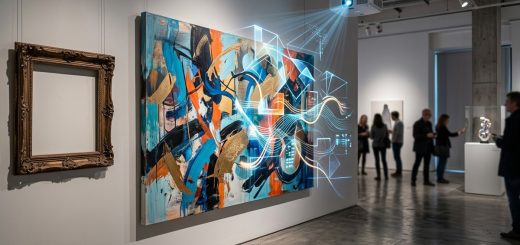
One of the most prominent shifts in recent years involves the integration of digital technology into artistic practice. Digital art, virtual reality, augmented reality, and blockchain-based works are no longer niche experiments but central to the contemporary scene. Artists are harnessing these tools to create immersive environments that challenge the traditional boundaries of space and perception.
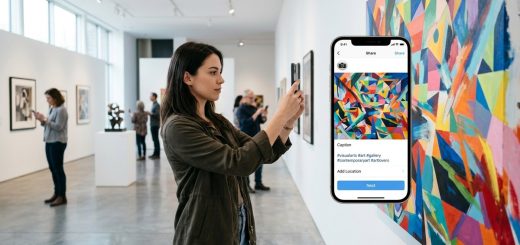
For example, virtual exhibitions hosted in digital worlds allow viewers to navigate artworks from anywhere in the globe. Augmented reality apps enable viewers to interact with artworks in their own environment, blurring the line between physical and digital. Blockchain and NFTs have also revolutionized art ownership, giving rise to new models of collecting and provenance.
How artists are reshaping the digital art landscape
- Creating immersive virtual reality exhibitions
- Using augmented reality to add layers of meaning
- Selling digital artworks via non-fungible tokens
- Incorporating artificial intelligence to generate art
Techniques and mistakes in digital art
| Techniques | Mistakes to avoid |
|---|---|
| Interactive installations | Overloading with too much data |
| Generative art using AI | Ignoring the importance of conceptual depth |
| Blockchain-based provenance | Neglecting user accessibility |
| Virtual reality environments | Focusing solely on visuals without narrative |
“The future of art lies in the seamless integration of technology and human creativity,” notes digital artist and innovator Mia Chen. Her work exemplifies how digital tools can deepen storytelling and audience engagement.
Emphasis on Personal Narratives and Social Commentary
Contemporary artists increasingly focus on personal stories and social issues. This trend reflects a desire to connect on a human level and to comment on pressing concerns like climate change, identity, and social justice. Art becomes a mirror for society, with narratives that demand empathy and understanding.
Artists are embracing a range of mediums to tell their stories, from traditional painting to performance and multimedia projects. The emphasis on authenticity and vulnerability resonates with viewers, fostering a deeper connection.
Key ways personal narratives influence art today
- Artworks addressing identity and belonging
- Visual stories that highlight marginalized voices
- Use of autobiographical elements to add depth
- Interactive projects that involve community participation
Practical steps to integrate personal narratives
- Reflect on your own experiences and perspectives
- Research social issues that resonate with you
- Use storytelling techniques to craft compelling visuals
- Collaborate with communities for authentic representation
Common pitfalls to avoid
- Tokenism or superficial engagement
- Overgeneralizing complex issues
- Ignoring context in storytelling
- Neglecting audience accessibility
Material Innovation and Sustainability
A notable emerging trend involves the use of innovative and sustainable materials. Artists are exploring recycled, biodegradable, or eco-friendly mediums to challenge traditional notions of permanence and value. This shift aligns with broader societal concerns about environmental impact and sustainability.
Materials like bio-plastics, reclaimed wood, and natural dyes are becoming common. Artists are also experimenting with living materials, such as moss or algae, to create dynamic works that change over time.
Techniques and mistakes in material innovation
| Techniques | Mistakes to avoid |
|---|---|
| Using recycled or biodegradable materials | Relying solely on novelty without conceptual grounding |
| Incorporating living elements | Failing to consider maintenance or longevity |
| Creating site-specific installations | Overlooking the environment’s influence on materials |
| Developing eco-conscious packaging | Neglecting the full lifecycle of materials |
“Sustainable practices in art are not just about materials but about rethinking the entire process of creation,” emphasizes eco-artist Lucas Green. His projects demonstrate how art can be both beautiful and environmentally responsible.
New Forms of Audience Engagement
Interactive and participatory art forms are breaking down the passive viewer model. Artists now design works that require audience involvement, transforming spectators into co-creators. This approach fosters a sense of community and shared experience.
Examples include interactive projections, social practice art, and gamified installations. These works often address social issues directly and invite viewers to contribute or reflect.
How to create engaging art experiences
- Incorporate elements that require active participation
- Use technology to facilitate interaction
- Design spaces that encourage social dialogue
- Address relevant community or societal themes
Common mistakes to avoid
- Overcomplicating the interaction
- Ignoring accessibility considerations
- Focusing only on spectacle without substance
- Neglecting the importance of follow-up or reflection
Artistic Collisions and Hybrid Forms
The blending of disciplines is leading to hybrid art forms. Artists combine painting with digital media, sculpture with performance, or traditional craft with new technologies. This cross-pollination creates innovative works that defy easy categorization.
Hybrid forms challenge the idea of art as a fixed category. They invite viewers to rethink what art can be and open new avenues for experimentation.
Techniques and pitfalls in hybrid art
| Techniques | Mistakes to avoid |
|---|---|
| Combining physical and digital mediums | Losing coherence or focus |
| Merging traditional craft with technology | Overemphasizing novelty over concept |
| Integrating performance with visual art | Ignoring the importance of context and narrative |
| Using interdisciplinary collaborations | Failing to establish clear artistic goals |
“Hybrid art pushes boundaries and encourages us to see beyond traditional labels,” says curator Elena Torres. Her exhibitions often feature such boundary-breaking works, inspiring dialogue about the future of creativity.
How to Stay Ahead in the Art World
Engaging with emerging trends requires curiosity and openness. Here are three practical processes to keep your finger on the pulse:
- Follow leading galleries, artists, and institutions on social media platforms.
- Attend contemporary art fairs, festivals, and virtual exhibitions.
- Read art journals, blogs, and reports that focus on innovation and new media.
Being aware of these developments can help artists and collectors recognize promising talent and understand shifting market dynamics.
A Closing Thought on Artistic Innovation
The future of contemporary visual art is vibrant and unpredictable. As artists experiment with new materials, narratives, and technologies, they redefine what art can be and how it functions in society. Embracing these emerging trends opens opportunities for fresh expression and deeper connections.
Remember, staying curious and adaptable is key. As you navigate the evolving art landscape, consider how you can incorporate these trends into your own practice or collection. The next chapter of art is being written today, and your engagement can shape its course.
Walking forward with the pulse of art innovation
Whether you are creating or collecting, embracing emerging trends in contemporary visual art enriches your understanding and appreciation. Take inspiration from these shifts and think about how they can influence your own artistic journey. The landscape is dynamic, full of possibilities waiting to be explored. Keep your eyes open and your mind curious — the future of art is yours to help shape.