Discover the Influence of Digital Technology on Contemporary Visual Art
Digital technology has profoundly transformed the landscape of contemporary visual art. Artists now harness an array of digital tools and innovations that push creative boundaries and redefine what is possible. From AI-driven generative artworks to immersive virtual reality installations, technology is not just a medium but a collaborator in artistic expression. This evolution is reshaping how audiences engage with art, how artists develop their practice, and how the art world operates on a global scale.
Digital technology influence on contemporary visual art is driving innovation through new tools like AI, virtual reality, and NFTs. Artists are blending traditional methods with digital techniques to create immersive, interactive, and globally accessible artworks that challenge perceptions and expand creative possibilities.
The Digital Shift in Artistic Creation
The infusion of digital tools into art practices has been a gradual yet unstoppable force. Artists now have access to powerful software, hardware, and online platforms that enable experimentation at levels previously unimaginable. This shift has democratized art creation, allowing more voices to participate regardless of geographic or economic barriers. It also fosters new genres such as digital painting, algorithmic art, and virtual installations.
How Digital Technologies Are Changing Artistic Processes
The influence of digital technology on contemporary visual art can be broken down into practical processes that artists employ daily:
-
Adopting digital tools for creation: Using software like Adobe Photoshop, Illustrator, or Procreate, artists craft detailed digital paintings, illustrations, or animations. These tools offer endless possibilities for experimentation with color, form, and composition.
-
Incorporating AI and algorithms: Artists utilize artificial intelligence to generate new visuals or co-create pieces. AI algorithms can analyze vast datasets and produce artworks that are both surprising and complex.
-
Engaging audiences through virtual and augmented reality: Virtual reality (VR) and augmented reality (AR) enable immersive experiences. Viewers can step inside a digital environment or see artworks interactively overlaid onto real-world settings.
Practical steps artists take in digital art practices:
- Select appropriate digital hardware and software based on their artistic goals.
- Experiment with AI tools or code to generate unique visuals.
- Develop immersive experiences through VR or AR platforms.
- Publish and distribute work globally via online galleries, social media, or blockchain marketplaces.
Key Digital Technologies Shaping Art Today
Several technological innovations are at the forefront of contemporary art practices. Each brings its own set of creative opportunities and challenges.
Artificial Intelligence
AI has transitioned from a novelty to a vital collaborator in art creation. Artists like Refik Anadol and Mario Klingemann use machine learning to generate visuals, music, and even interactive installations. AI can analyze patterns, mimic styles, and produce outputs that challenge traditional notions of authorship.
“AI is no longer just a tool but an active participant in the creative process,” notes digital artist Refik Anadol. This shift blurs the line between creator and machine, opening new avenues for innovation.
Virtual Reality and Augmented Reality
VR allows artists to craft entire worlds viewers can explore in three dimensions, transforming passive observation into active participation. AR overlays digital elements onto physical spaces, creating hybrid experiences that merge real and virtual.
NFTs and Blockchain
The rise of non-fungible tokens has revolutionized art commerce. Artists mint digital artworks as NFTs, ensuring provenance and ownership in a decentralized marketplace. This movement has democratized access and created new income streams but also sparked debates about value, sustainability, and authenticity.
3D Printing and Digital Sculpting
Digital sculpting tools combined with 3D printing enable artists to produce physical versions of their digital models. This synergy bridges the gap between virtual and tangible, adding new dimensions to artistic expression.
Mistakes to Avoid When Using Digital Tools
| Technique | Common Mistakes |
|---|---|
| Over-reliance on filters | Sacrificing originality for effects |
| Ignoring technical limitations | Creating work that cannot be effectively displayed or preserved |
| Lack of conceptual grounding | Letting technology overshadow message or meaning |
The Impact on Art Production and Audience Engagement
Digital technology has expanded the possibilities for creating and sharing art. Artists can produce complex, multi-layered works that would be difficult or impossible with traditional methods. Online platforms enable immediate distribution, fostering global communities of viewers and collectors.
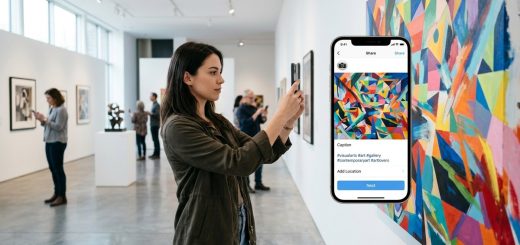
This democratization means that art is no longer confined to galleries or museums. Social media, virtual exhibitions, and digital marketplaces make it accessible to a worldwide audience. This interconnectedness encourages collaborations across borders and disciplines.
Influential Digital Artists and Their Pioneering Work
Many artists have embraced digital technology to push the boundaries of visual art. For example, Refik Anadol’s data paintings visualize information in mesmerizing ways, transforming data into poetic visuals. Mario Klingemann explores AI-generated portraits that question identity and authorship.
These creators exemplify how digital tools can inspire novel aesthetics and conceptual frameworks. Their work influences a new generation of artists, encouraging experimentation and cross-disciplinary approaches.
Future Directions and Challenges
The influence of digital technology on contemporary visual art is only set to grow. Emerging trends include AI-generated narratives, interactive installations, and blockchain-based art forms. However, challenges such as digital preservation, ethical considerations, and market sustainability remain.
Artists and institutions must navigate these complexities thoughtfully, ensuring that technological advancements serve artistic integrity and societal benefit.
“As digital tools become more sophisticated, artists must consider not only how to use them but also how they impact broader cultural and ethical issues,” advises art technologist Dr. Sarah Park.
Embracing the Digital Renaissance in Art
The ongoing integration of digital technology into visual arts offers exciting opportunities for creators and audiences alike. By understanding and harnessing these tools, artists can craft innovative works that resonate in an increasingly connected world. Whether through coding, immersive environments, or blockchain, digital technology continues to redefine the boundaries of artistic expression.
If you are an art student or enthusiast, consider experimenting with digital tools yourself. Attend workshops, follow pioneering artists, or participate in online communities. The future of art is digital, and your engagement can contribute to shaping its next chapter.
Bridging Tradition and Innovation
The influence of digital technology on contemporary visual art does not erase traditional practices. Instead, it expands the palette of possibilities. Artists blend painting, sculpture, and digital media to create hybrid works that honor the past while embracing the future.
This synthesis enriches the cultural landscape and encourages a more inclusive, experimental approach to art-making. It invites everyone, from emerging creators to seasoned experts, to explore new techniques and ideas.
Final Thoughts: Cultivating Your Digital Artistic Voice
Harnessing digital technology is more accessible than ever. Start small by exploring free or affordable software, participate in online challenges, or collaborate with others. Remember that experimentation is key, and embracing failure leads to growth.
By staying curious and adaptable, you can develop a digital artistic practice that reflects your unique perspective. The digital influence on contemporary visual art offers a vibrant playground for innovation—your next masterpiece could be just a click away.