How Contemporary Artists Are Shaping the Future of Urban Music Scenes
Urban music continues to evolve at a rapid pace, driven by a new wave of contemporary artists who are reshaping the sound, culture, and community around it. These artists are not just making music; they are influencing fashion, art, social movements, and technology, creating vibrant scenes that push boundaries and inspire generations. Understanding how these artists influence urban music scenes offers a glimpse into the future of cultural expression and innovation.
Contemporary artists are transforming urban music scenes through innovative sounds, blending genres, and fostering cultural movements that redefine community identities and artistic boundaries, shaping the future of music and urban culture.
The Changing Landscape of Urban Music
Urban music has long been a reflection of city life, capturing the energy, struggles, and stories of communities. Today, a fresh generation of artists is pushing these boundaries further. They’re not only influencing mainstream trends but also nurturing underground movements that challenge traditional norms.
Contemporary artists are leveraging new technology, social media, and cross-disciplinary collaborations to create unique sounds and visuals. They are shaping urban music scenes by embracing diversity, fostering inclusivity, and highlighting local stories on global platforms.
How Modern Artists Influence Urban Music and Culture
1. Blending Genres to Create New Soundscapes
Many contemporary artists refuse to stick to traditional genre boundaries. Instead, they fuse elements from hip-hop, R&B, dancehall, trap, jazz, and electronic music. This blending results in fresh sounds that resonate with diverse audiences.
For example, artists like Lizzo combine rap, soul, and pop to craft empowering anthems, while Kali Uchis merges Latin rhythms with neo-soul influences. These genre hybrids not only expand musical possibilities but also reflect the multicultural fabric of urban life.
2. Using Visual Arts and Fashion as Cultural Statements
Music videos, album cover art, and stage visuals have become powerful tools for cultural expression. Many artists are collaborating with visual artists and fashion designers to craft immersive experiences.
FKA twigs integrates dance and avant-garde fashion into her performances, pushing the boundaries of what urban music can look and feel like. Similarly, Lil Nas X uses provocative visuals and fashion to challenge societal norms and spark conversations.
3. Embracing Social and Political Narratives
Contemporary artists often embed social commentary into their work. They address issues like racial injustice, gender identity, mental health, and economic disparities.
Rapsody and Megan Thee Stallion use their platforms to elevate voices from marginalized communities. Their music and activism influence urban scenes by fostering awareness and mobilizing communities around shared causes.
4. Leveraging Technology and Digital Platforms
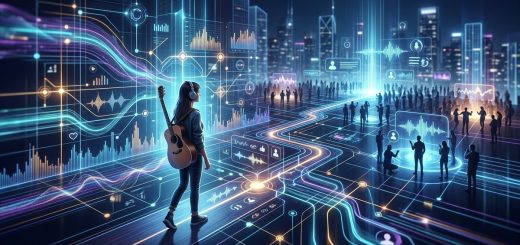
Social media, streaming services, and virtual performances have democratized music production and distribution. Artists like BTS and Doja Cat have built massive global followings by engaging directly with fans through digital channels.
This direct access allows artists to shape urban music scenes in real time, creating trends that spread quickly and influence cultural attitudes.
5. Promoting Local Stories on Global Platforms
Contemporary artists often spotlight their local origins, turning city-specific stories into global phenomena. This practice elevates urban communities and influences the identity of urban music scenes.
Artists such as Vince Staples highlight the realities of Los Angeles, while Megan Thee Stallion embodies Houston’s vibrant hip-hop culture. Their success showcases how local narratives can shape broader urban music landscapes.
Practical Ways to Engage with Contemporary Urban Artists
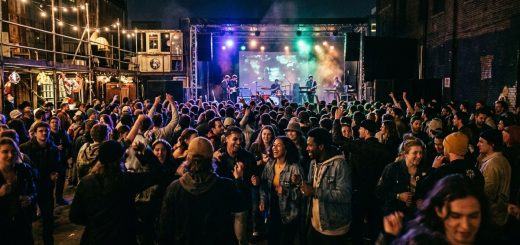
- Attend live shows and festivals featuring emerging talents.
- Follow social media accounts of artists and visual collaborators.
- Support independent labels and local venues that nurture underground scenes.
Techniques Artists Use To Shape Urban Music Scenes
| Technique | Description | Common Mistakes |
|---|---|---|
| Genre fusion | Combining different musical styles to create new sounds | Overloading tracks with too many genres, losing cohesion |
| Visual storytelling | Using videos and album art to convey cultural narratives | Neglecting visual quality or coherence with music |
| Social activism | Addressing societal issues through lyrics and campaigns | Tokenism or superficial engagement |
| Digital engagement | Using social media and streaming to connect with fans | Ignoring authentic engagement or over-posting |
“The most impactful artists today are those who understand their cultural power and use it responsibly to influence urban scenes positively,” advises music critic and cultural analyst, Jasmine Carter.
How To Incorporate Contemporary Trends Into Your Musical Practice
- Experiment with blending genres inspired by current artists.
- Collaborate with visual artists or fashion designers.
- Incorporate social themes relevant to your community.
- Use social media to showcase your process and stories.
- Stay open to new digital tools for production and promotion.
Mistakes To Avoid When Engaging with Urban Music Trends
| Mistake | Why It Hurts | How To Avoid |
|---|---|---|
| Relying on stereotypes | Can alienate audiences and diminish authenticity | Focus on genuine stories and diverse influences |
| Ignoring cultural context | Risks cultural appropriation or misrepresentation | Educate yourself and collaborate with local voices |
| Overproducing | Can dilute authenticity and emotional impact | Keep the core message clear and genuine |
The Role of Community and Collaboration in Shaping the Scene
Contemporary artists are forging connections across disciplines and communities. Collaborations between musicians, visual artists, dancers, and activists create a rich ecosystem that propels urban scenes forward.
For example, Smino often works with visual artists and fellow musicians to craft multidimensional projects that resonate deeply with local communities while reaching global audiences.
Final Words on Shaping Urban Music’s Future
Contemporary artists are not just making music; they are shaping the cultural fabric of urban life. Their innovative sounds, visual narratives, and social engagement are creating vibrant scenes that reflect the complexities of modern city living.
By understanding these influences, music enthusiasts and industry professionals can better appreciate the dynamic evolution of urban music and participate meaningfully in its future.
Whether you’re a fan, a creator, or a cultural observer, staying attuned to how artists shape scenes helps you see the bigger picture of music’s role in contemporary society. Take inspiration from their boldness and authenticity to contribute your own voice to the ongoing story of urban culture.
Carving New Pathways in Urban Music
Urban music scenes are constantly shifting, reflecting the diverse experiences and innovations of artists today. Embracing these changes offers countless opportunities for growth, connection, and creative expression. Get involved, support emerging talents, and keep your ear to the ground. The future of urban music is being written now, and your voice can be part of it.