How to Build a Following Without a Label: The 2026 Guide to Independent Music Marketing
For most of music history, the gatekeepers held the keys. A record deal was the only real path to a paying audience. That world is gone. In 2026, you can build a loyal following from your bedroom studio, one listener at a time, without signing a single contract. The tools are here. The audience is waiting. The missing piece is a clear, honest strategy that treats your fans like people, not numbers.
Building a following without a label in 2026 requires a shift from seeking validation to building community. Focus on three pillars: consistent, authentic content that invites participation; direct fan relationships through email and small live events; and smart use of platforms that reward real engagement over polished production. This guide gives you the exact roadmap.
Start With Your Story, Not Your Sound
Many independent artists lead with their music first. They drop a single, post a link, and hope the algorithm carries them. That approach rarely works anymore. Listeners in 2026 are drowning in content. They don’t just want a song. They want a reason to care.
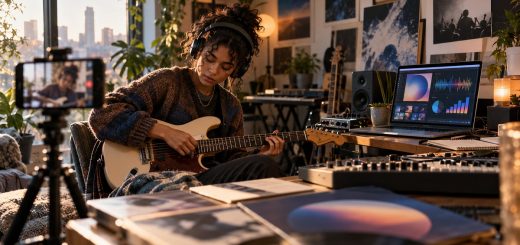
Your story is that reason. It does not need to be dramatic. It just needs to be real. Maybe you recorded your EP in a closet because that was the only quiet room. Maybe you write songs about working the night shift at a diner in Ohio. Those details matter. They make you human.
When you share your process, your struggles, and your small wins, people start to root for you. They become invested in your journey, not just your catalog. This emotional connection is the foundation of a following that sticks.
The Three Pillars of Label-Free Growth
Think of your marketing as a three-legged stool. If one leg is weak, the whole thing wobbles. Here are the pillars that support sustainable growth in 2026.
-
Consistent Content That Invites Participation. Posting once a month will not cut it. You need a rhythm. That does not mean burning out on TikTok every day. It means showing up in the same spaces, at the same frequency, so your audience knows when to expect you. Share behind-the-scenes clips, rough mixes, or even your morning coffee routine. The goal is familiarity.
-
Direct Fan Relationships. Social media platforms are rental property. You do not own that audience. Algorithms change. Accounts get banned. Build a direct line to your biggest fans. An email list is still the most powerful tool you have. Offer a free download of a live track in exchange for an email address. Send a personal note when someone buys your vinyl. Treat every supporter like a friend.
-
Smart Platform Strategy. You cannot be everywhere. Pick one or two platforms where your ideal listeners already hang out and go deep. If your music is visual and atmospheric, focus on Instagram and YouTube. If you are a lo-fi producer, build a community on Discord or Reddit. Master one space before you expand.
A Practical Plan to Grow Your Audience
Let us get specific. Here is a step-by-step process you can start this week.
Step 1: Define your niche. Who is your music for? Be specific. “Fans of sad indie folk” is too broad. “People who like Iron & Wine but wish the production was rawer and the lyrics were about working class life in New England” is better. The narrower your niche, the easier it is to find your people.
Step 2: Create a content loop. Your content should feed itself. A video of you writing a chorus becomes a TikTok. That TikTok drives people to your link in bio. That link leads to a free download in exchange for an email. That email list gets a weekly update with a demo. That demo becomes your next single. Loop it.
Step 3: Engage like a human, not a brand. When someone comments on your post, reply with a question. When a fan shares your song, thank them by name. Go to other small artists’ pages and leave genuine comments. This is not a transaction. It is a conversation.
Step 4: Test small paid ads. You do not need a big budget. Put $20 behind a post that is already performing well organically. Target fans of similar artists. See if it brings new listeners into your email funnel. If it works, scale slowly.
Techniques That Work vs. Common Mistakes
Here is a clear breakdown of what moves the needle and what wastes your time in 2026.
| Technique That Works | Common Mistake to Avoid |
|---|---|
| Building a private Discord or Telegram group for superfans | Trying to go viral with a gimmick or challenge |
| Releasing music in bundles with visual art or zines | Releasing a single with no context or visual identity |
| Sending personalized voice messages to supporters on Instagram | Buying followers or bots to pad your numbers |
| Collaborating with other indie artists on split singles | Only reaching out to bigger artists for clout |
| Using email newsletters to share personal updates | Spamming your email list with “Stream my new song” every week |
“The artists who win in 2026 are the ones who treat their first 100 fans like royalty. A small, engaged community is worth more than a million passive streams.” – Mia Torres, independent artist and community builder
The Tools You Actually Need
You do not need a lot of expensive software. Keep it simple.
- A simple website. Use a service like Bandzoogle or Squarespace. Your site should have a clear bio, a music player, a store, and an email signup form.
- A mailing list service. Mailchimp or Buttondown are good options. They are free or cheap for small lists.
- A content scheduler. Later or Buffer can help you plan posts so you are not scrambling every day.
- A DAW you already know. Your recording software does not matter. Use whatever you have.
Why Email Still Beats Social Media in 2026
It sounds old school, but email is your secret weapon. Social media feeds are noisy. An email lands in a personal space. When someone opens your newsletter, they are giving you their attention.
Use your email list to share things you would not post publicly. A raw demo. A personal story about a song. A discount code for merch. Make your subscribers feel like insiders. They will become your biggest advocates.
Building Community Offline
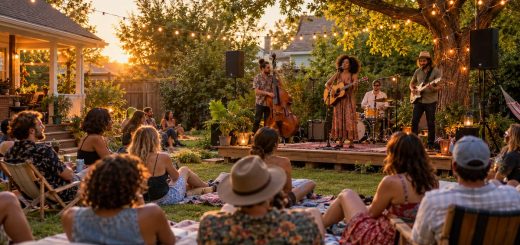
Digital connection is great, but real life matters more. In 2026, the most exciting music scenes are returning to intimate, low-tech spaces. House shows. Basement gigs. Record store performances. These events create memories that a screen cannot replicate.
Start small. Play a house show for 20 people. Hand out a physical flyer with a QR code to your email list. Talk to everyone who stays after your set. Those 20 people will tell five friends each. That is how a local scene grows.
If you are curious about how other musicians are rethinking live performance, check out this piece on why the 2026 live music scene is embracing intimate house shows over stadiums.
Your 2026 Marketing Calendar
You do not need to do everything at once. Here is a simple monthly rhythm.
- Week 1: Release one piece of content. A short video, a photo series, or a blog post about your process.
- Week 2: Engage with your community. Reply to comments. Send a newsletter. Host a 15 minute live stream where you just chat.
- Week 3: Collaborate. Reach out to one other artist for a remix, a feature, or a co-write.
- Week 4: Reflect and plan. Look at what worked. Adjust your strategy for the next month.
Own Your Future
The best part of building a following without a label is that you keep control. You own your masters. You set your prices. You decide when to tour and where to play. That freedom is worth the extra work.
Start today. Pick one step from the list above and do it this week. Send that email. Post that video. Reach out to that other artist. The audience is out there. They are waiting for someone real to connect with. Be that person.