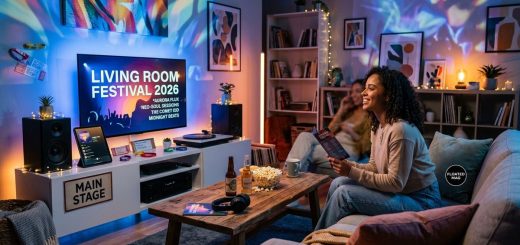
Why the 2026 Live Music Scene Is Embracing Intimate House Shows Over Stadiums
Stand in a packed 70,000 seat arena. The artist is a tiny speck on a massive screen. The sound bounces off concrete and steel. You spend most of the night watching a jumbotron. Now, picture a crowded living room. Sweat on the walls. The artist sits three feet away from you. They tell stories between songs. They mess up a chord and laugh. That is the magic taking over in 2026. The live music scene is embracing intimate house shows over massive stadiums. And the reasons go far beyond simple nostalgia.
The 2026 intimate house shows trend reflects a deep desire for authentic connection, economic relief, and artistic freedom. Fans get exclusive, memorable experiences at a lower cost. Artists earn more, take creative risks, and build loyal communities. Whether you are a listener or a musician, this shift from stadium spectacle to living room intimacy is reshaping the industry one room at a time.
Why the Shift Is Happening Now
The pendulum is swinging hard toward smallness. After a decade of mega tours and escalating ticket prices, both fans and artists are exhausted. The 2026 intimate house shows trend is a direct response to that fatigue.
The connection deficit. We live our lives through screens. A stadium show, ironically, keeps us disconnected. You watch a screen. You scream into a void. A house show is the opposite. You see the artist’s fingers on the strings. You hear their breathing. You catch their eye. That feeling is rare and it is in high demand.
Economic sense for everyone. Stadium tickets can cost as much as a car payment. Add fees, parking, and a single beer, and you have spent a small fortune. A house show ticket is often a sliding scale donation. It might cost ten dollars. It might cost forty dollars. The artist keeps almost all of it. They sell merch directly to a captive audience. There is no venue taking a cut. This economic model is a lifeline for musicians. It aligns perfectly with the ways that how contemporary artists are shaping the future of urban music scenes by building sustainable local ecosystems.
Artist autonomy. The stadium touring machine is brutal. Buses, trucks, hotel rooms, catering, massive crews. The profit margins are thin. The pressure is immense. House shows strip all of that away. An artist can travel alone or with one companion. They can play for an hour and then sit on the couch with fans. They can take creative risks. They can test new material without the pressure of a headline set. It is freedom.
What Makes a Great 2026 House Show
Not every house show works. The best ones share a few key traits. They are not just parties with a loud speaker. They are curated experiences.
- Curated space: The host creates a vibe. Dim lighting. A defined performance area. Comfortable seating that faces the artist. The room itself becomes part of the show.
- Active listening culture: Phones stay in pockets. People face the performer. The audience participates by listening intently. This changes the energy in the room completely.
- Natural acoustics: A living room with wood floors and drywall produces a warm, natural sound. It requires less amplification. The vocals sound human. The guitar sounds woody. It is a sonic experience you cannot get in a concrete arena.
- Shared vulnerability: Everyone knows this is a DIY effort. The artist might break a string. The host might spill a drink. The neighbors might knock on the wall. These small imperfections make the night unforgettable.
House Show vs. Stadium Show
| Feature | Stadium Show | 2026 Intimate House Show |
|---|---|---|
| Capacity | 15,000 to 70,000 | 15 to 70 people |
| Price | $150 to $500+ | $10 to $40 (often sliding) |
| Artist income | Low per person, high cost | High per person, low cost |
| Audience role | Passive observer | Active participant |
| Sound quality | Processed and amplified | Raw and natural |
| Memory value | Generic experience | Unique and personal |
How to Throw an Unforgettable House Show
You do not need to be a professional promoter to host a house show. You just need a space and a willingness to organize. Here is a simple process to get started.
-
Lock in the lineup and the date. Find one or two artists who fit your space. Contact them directly through social media or email. Be clear about the capacity of your home. Agree on a payment model, even if it is a 50/50 split of the door or a guarantee. Pick a date that avoids major holidays or local events.
-
Build the guest list carefully. A house show relies on good energy. Invite people who will listen and respect the space. Use a private Google Form or a simple group chat for RSVPs. Do not post the address publicly. Send it out the morning of the show to confirmed guests. This keeps the vibe safe and intentional.
-
Prepare your home. Move fragile art and breakable furniture out of the performance area. Set up a small stage area. Test the sound system. Make sure the bathroom is clean. Create a designated spot for merch and a cash or Venmo jar. Let your neighbors know in advance so they are not surprised by the noise.
-
Manage the flow of the night. Post a simple schedule. Doors at 7. Opener at 7:30. Headliner at 8:30. End by 10. A tight schedule shows respect for the artist, the guests, and your neighbors. Designate a friend to handle the door and the sound so you can enjoy the show.
-
Follow up with gratitude. After the show, send a thank you message to everyone who came. Share a photo from the night. Send the artist their payment and a nice note. This builds a network of trust. People will want to come back to your house.
Voices from the Living Room
Musicians are speaking openly about why they prefer these smaller settings. The 2026 intimate house shows trend is not just a marketing move. It is a philosophical choice.
“I played a 40,000 seat festival six months ago. I made $2,000. Last week, I played a living room in Portland. I made $1,500, ate dinner with the host, and slept on their couch. I know exactly who I played for. I saw their faces. That is why I am doing house shows in 2026.”
* Anika Patel, indie folk singer
That gap in income is real. But the gap in connection is even wider. Artists are choosing quality of experience over quantity of eyeballs. This mirrors the journey of how emerging musicians are redefining genre boundaries in the digital age, where personal connection often trumps mass appeal.
The Business Side and Cultural Impact
The economics of house shows are surprisingly good. Fans at a house show convert into superfans at a high rate.
- Merch sales go through the roof. When a fan stands three feet from an artist, they want a souvenir. Vinyl, cassettes, and t-shirts sell out almost every time.
- Email lists grow fast. A house show is one of the best places to capture email addresses. Fans want to stay connected. They want to know about the next show.
- Direct income is higher. Without a venue taking a cut, the artist walks away with more money at the end of the night. For independent acts, this income is vital.
Culturally, these shows act as a filter. They reward people who pay attention. If you follow an artist on social media, you might see the secret post about a house show. You have to be engaged to get in. This dynamic is explained well in the discussion of the hidden power of algorithmic playlists, where discovery happens online, but the real relationship is built offline.
The hyperlocal focus of house shows also connects to what we see in 5 underground music scenes in the US that are reshaping sound. These scenes thrive on intimacy. They thrive on word of mouth. A living room in Memphis feels different from a living room in Seattle. That regional flavor is preserved in a way that stadium shows cannot replicate.
The Warm Future of Live Music
Stadiums will not disappear. They still make sense for the biggest pop stars. But the center of gravity for the 2026 live music scene has moved indoors. It is in your friend’s living room. It is in a backyard in Brooklyn. It is in a basement in Austin.
The 2026 intimate house shows trend teaches us that bigger is not always better. It teaches us that paying attention is a radical act. It shows us that music sounds better when you can see the artist’s hands shake.
So the next time your favorite artist posts a secret house show date, do not hesitate. RSVP immediately. Bring a friend. Bring a bottle of wine or a six pack. Leave your phone in your pocket. Listen closely. You will leave richer than you arrived. That is the future of live music. It is small, warm, and completely human.