How Music Collectives Are Rethinking Collaboration in 2026
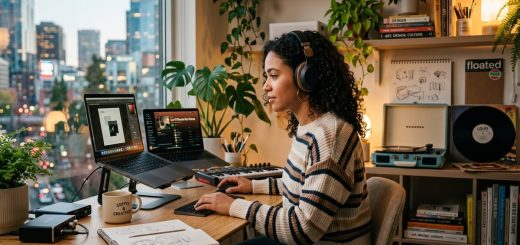
Picture this: a producer in Detroit sends a beat to a vocalist in Glasgow, who records a hook on her phone and passes it to a mixer in São Paulo. Two hours later, the track is live on a decentralized streaming platform, and every contributor holds a token proving their stake in the song. This is not a futuristic fantasy. It is happening right now. Music collectives in 2026 have moved past the old model of a handful of friends sharing a practice space. They are building fluid, tech enabled networks that prioritize transparency, speed, and creative autonomy.
Music collectives in 2026 are ditching rigid hierarchies for decentralized, purpose driven structures. They use DAOs for fair revenue splits, AI tools for rapid co-writing, and virtual reality for real time studio sessions across continents. The result is a new kind of collaboration that gives independent artists more control, faster output, and a stronger connection to their audience.
Why the Old Collective Model Broke
The traditional music collective often started with good intentions. A group of artists would agree to share resources, promote each other, and maybe split a van for tour. But over time, problems surfaced.
Lack of clear ownership was a major issue. When one member wrote the hook, another produced the beat, and a third handled the artwork, who owned what percentage of the song? Arguments over splits killed many promising groups. Then there was the bottleneck problem. One person usually controlled the social media accounts, the email list, or the studio schedule. If that person got busy or lost interest, the whole collective stalled.
In 2026, collectives have learned from those failures. They are building systems that prevent those breakdowns before they happen.
The Three Pillars of Modern Collective Collaboration
Successful music collectives in 2026 rely on three core practices. These are not theoretical ideas. They are practical steps that any group of artists can adopt.
-
Establish a transparent ownership structure from day one. Before a single note is recorded, the collective agrees on how revenue will be split. Many groups use smart contracts on a blockchain to automate these splits. When a streaming payout arrives, it is divided automatically based on pre set percentages. No arguments. No delayed payments.
-
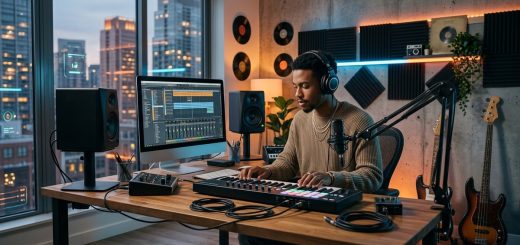
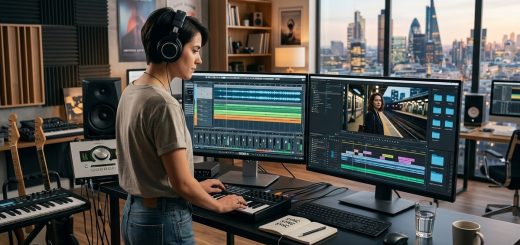
Use async workflows to respect every member’s schedule. Not everyone can be in the studio at 2 PM on a Tuesday. Modern collectives use cloud based DAWs like BandLab and Endlesss to let members contribute whenever they have time. A producer can drop a stem at midnight, and a lyricist can add vocals the next morning. The work never stops moving.
-
Rotate leadership roles regularly. To avoid burnout and power imbalances, collectives rotate who manages projects, handles communication, and leads marketing campaigns. This keeps the group dynamic fresh and gives every member a chance to develop new skills.
What a Modern Collective Workflow Looks Like
Let us walk through a typical week for a 2026 music collective called “No Fixed Address.” They have twelve members spread across five countries. Here is how they make a single release happen.
| Step | Action | Tool or Method | Common Mistake to Avoid |
|---|---|---|---|
| 1 | Idea generation | Shared voice memo channel in Discord | Waiting for a “perfect” demo before sharing |
| 2 | Beat selection | Collaborative playlist on Splice | Letting one producer dominate the sound |
| 3 | Vocal recording | Remote sessions via Sonobus or Audiomovers | Ignoring latency compensation settings |
| 4 | Mixing and feedback | Stems uploaded to a private Frame.io board | Giving vague notes like “make it pop” |
| 5 | Legal and splits | Smart contract on Sound.xyz or Royalty Exchange | Using verbal agreements only |
| 6 | Release and promotion | Coordinated social media drop via Buffer | Posting all content on the same day with no buildup |
This structured approach does not kill creativity. It protects it. When the boring administrative work is handled by systems, artists can focus on what they do best.
The Tech Tools Shaping 2026 Collaboration
You cannot talk about music collectives collaboration trends 2026 without looking at the tools powering them. Three categories stand out.
Decentralized governance platforms. DAOs (Decentralized Autonomous Organizations) let collectives vote on decisions like which singles to release, how to spend a marketing budget, or whether to accept a new member. Every vote is recorded on chain. There is no room for favoritism.
AI assisted co-writing. Artificial intelligence is not replacing songwriters. It is acting as a tireless collaborator. Tools like Output Arcade and LANDR Composer generate chord progressions, suggest melodies, or fill in arrangement gaps. A collective can start a session with an AI generated loop and then layer human emotion on top. This speeds up the process without stripping away the soul.
Virtual reality studio spaces. Platforms like Soundscape VR and Stageverse allow musicians to meet in a 3D environment that mimics a real studio. You can see other members’ avatars, walk over to a virtual mixing board, and adjust levels together in real time. This is especially valuable for collectives whose members have never met in person.
“The biggest change I have seen is that collectives no longer wait for permission. They do not need a label to greenlight a project. They do not need a manager to schedule a session. They just build the infrastructure themselves and start creating.”
— Mira Chen, founder of the collective DAO network Harmony Guild
Common Pitfalls and How to Sidestep Them
Even with the best tools, collectives can stumble. Here are the most frequent mistakes and how successful groups avoid them.
- Overcomplicating the tech stack. Some collectives try to use five different platforms for communication, file sharing, splits, and promotion. This creates confusion. Pick one primary tool for each function and stick with it.
- Ignoring the quiet members. In a group of ten people, three might dominate every conversation. Good collectives use anonymous suggestion boxes or regular one on one check ins to make sure every voice is heard.
- Skipping the offboarding process. When a member leaves, it can cause chaos if their roles and passwords are not documented. Create a shared password manager and a simple handoff checklist.
- Forgetting to celebrate small wins. If the only celebration is a major streaming milestone, the group loses momentum. Acknowledge a great mix, a clever lyric, or a successful social media post. This keeps morale high.
How Independent Artists Can Start a Collective Today
You do not need a big budget or a legal team to form a music collective in 2026. You need a clear purpose and a willingness to experiment. Here is a practical path forward.
First, define your collective’s mission. Is it about supporting a specific genre? Amplifying voices from your city? Experimenting with new technology? Write a one sentence mission statement and share it with potential members. If the mission resonates, they will join.
Second, choose your collaboration tools based on your collective’s size and goals. A group of five local artists might just need a shared Google Drive and a group chat. A global collective of twenty members will need a DAO platform and a cloud DAW. Start small and upgrade as you grow.
Third, create your first project together. Do not spend months planning. Pick a theme, set a deadline of two weeks, and release something imperfect. The act of finishing a project builds trust and momentum. You can refine your process on the next release.
For deeper insight into how independent scenes are evolving, check out our piece on how contemporary artists are shaping the future of urban music scenes. You might also find value in reading about how emerging musicians are redefining genre boundaries in the digital age.
The New Rules of Creative Partnership
Music collectives in 2026 are not just about making music together. They are about building sustainable, fair, and joyful creative partnerships. The old model asked artists to sacrifice control for community. The new model gives you both.
When a collective uses smart contracts to handle splits, every member knows their contribution is valued. When a collective uses async workflows, no one has to choose between their art and their day job. When a collective rotates leadership, everyone gets a chance to grow.
The technology matters, but the mindset matters more. The best collectives in 2026 share a few common traits: they communicate openly, they document everything, and they prioritize the group’s health over any single release.
If you are an independent artist or a creative entrepreneur, the door is open. You can start a collective this week with the people you already know. You can use the tools that are free or low cost. You can set your own rules.
The only requirement is that you start.