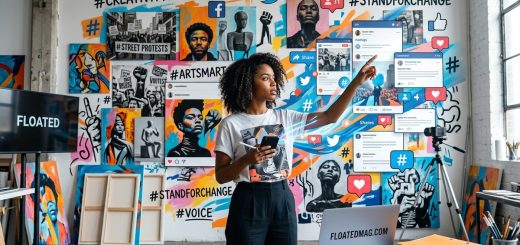
Addressing Social Justice Through Art: Inspiring Change in Contemporary Culture
Social justice art has become a vital tool for highlighting inequality, fostering empathy, and inspiring action. From murals that depict racial injustice to installations that challenge gender norms, artists are using their craft to speak truths that often go unheard. This form of expression can break barriers, spark conversations, and mobilize communities toward meaningful change. Understanding how social justice art functions and how to support or create it opens pathways for everyone committed to a more equitable society.
Social justice art is a powerful way to raise awareness, challenge perceptions, and motivate societal transformation. By engaging with artists and their works, individuals can contribute to ongoing conversations about equality and fairness while inspiring change in their communities.
How Social Justice Art Shapes Society
Social justice art is more than just visually striking images or provocative installations. It functions as a mirror reflecting societal issues, a megaphone amplifying marginalized voices, and a catalyst for dialogue. Art that addresses social justice often confronts uncomfortable truths but does so with the intention of fostering understanding and change.
Artists use various mediums to communicate their messages. Murals, for instance, can transform public spaces into platforms for activism. Installations can immerse viewers in experiences that highlight systemic inequality. Visual storytelling through photographs, videos, and mixed media can humanize complex issues like racial discrimination, gender violence, or refugee crises.
Many social justice artworks aim to inspire viewers to act. They serve as rallying points for protests, community projects, and policy discussions. By making invisible struggles visible, these artworks create empathy and mobilize support for social causes.
Recognizing Techniques and Common Pitfalls in Social Justice Art
Understanding the methods artists use to communicate social justice themes can deepen appreciation and encourage more meaningful engagement. Some techniques include:
- Symbolism: Using powerful icons or motifs to represent broader issues.
- Juxtaposition: Placing contrasting images or ideas side by side to highlight disparities.
- Narrative storytelling: Sharing personal stories or historical accounts through art to evoke empathy.
- Interactive elements: Incorporating viewer participation to foster direct engagement.
However, pitfalls can diminish an artwork’s impact. Misrepresenting communities, oversimplifying complex issues, or using shock value without context can lead to misunderstandings or even alienation.
Here’s a helpful table to clarify techniques and mistakes:
| Technique | Purpose | Common Mistake |
|---|---|---|
| Symbolism | Convey complex ideas quickly | Overusing clichés or stereotypes |
| Juxtaposition | Highlight disparities | Creating confusion or misinterpretation |
| Narrative storytelling | Humanize issues | Oversimplification or trivialization |
| Interactive elements | Foster engagement | Co-opting or appropriating cultures |
“Effective social justice art respects the communities it represents. It educates without exploiting and invites dialogue rather than division,” advises art educator Lisa Nguyen.
Practical Steps to Support or Create Social Justice Art
Whether you’re an educator, student, artist, or activist, you can play a role in promoting social justice through art. Here are some ways to get involved:
- Educate Yourself and Others: Learn about social issues through art exhibits, documentaries, and literature. Share insights with your community to raise awareness.
- Collaborate with Artists: Partner with local artists to develop murals, installations, or workshops that address social themes relevant to your community.
- Participate in Public Art Projects: Join or organize community murals or art festivals that focus on social justice topics.
- Use Social Media: Share artwork, stories, and campaigns that highlight social issues to reach broader audiences.
- Create Your Own Art: Express your perspectives and experiences through painting, photography, poetry, or other mediums. Focus on issues that matter to you.
For those interested in developing impactful pieces, consider these steps:
- Research the community or issue thoroughly.
- Engage with affected groups to ensure respectful representation.
- Use techniques like symbolism to communicate your message clearly.
- Aim for artworks that encourage reflection and dialogue rather than division.
Techniques and Mistakes in Social Justice Art
| Techniques | What They Do | Common Pitfalls |
|---|---|---|
| Symbolism | Communicates complex ideas succinctly | Overuse or stereotypes |
| Juxtaposition | Shows contrasts to highlight issues | Confusing or heavy-handed |
| Personal narratives | Humanizes social issues | Oversimplification or tokenism |
| Interactive elements | Engages viewers actively | Cultural appropriation or insensitivity |
By applying these methods thoughtfully, artists can craft works that resonate and inspire action.
Final Reflections on Art as a Catalyst for Change
Social justice art possesses the unique ability to challenge perceptions and ignite societal shifts. It makes visible the stories often hidden or silenced. As communities continue to grapple with issues of inequality, art remains a vital tool for advocacy.
Supporting or creating social justice art doesn’t require grand gestures. Small acts, like participating in local murals, sharing impactful pieces online, or incorporating social themes into classroom projects, can contribute to a larger movement for change.
Remember, every piece of art that speaks truth adds to a collective voice demanding justice, equality, and understanding. As you engage with social justice art, consider how your own voice, whether through creating or supporting such works, can help shape a fairer world for everyone.
Embracing Art’s Role in Building a Better Future
Engaging with social justice art enriches our understanding of the world and empowers us to be part of positive change. Whether you are an artist, educator, or community member, supporting such expressions fosters empathy and sparks conversations that matter. Keep your eyes open for artworks that challenge, inspire, and motivate. Your involvement can make a difference.
Let art be a bridge connecting individuals and communities toward a more just and compassionate society. Start small, think deeply, and let your actions and creations contribute to the ongoing movement for social justice.