The Impact of Social Media on Artistic Expression and Cultural Movements
Artistic expression has always been shaped by the tools, platforms, and cultural currents of its time. Today, social media stands as a powerful force that is reshaping how artists create, share, and engage with their audiences. From viral artworks to global movements, social media’s influence extends far beyond simple sharing. It fosters new forms of creativity, democratizes access, and accelerates cultural shifts. This article dives into the profound ways social media impacts artistic expression and the cultural landscape we navigate today.
Social media has revolutionized artistic expression by enabling instant sharing, fostering collaboration, and democratizing access to art. It accelerates cultural movements and creates new opportunities for engagement. However, it also presents challenges like oversaturation and commercialization. Understanding these dynamics helps artists and enthusiasts navigate the evolving creative landscape effectively.
How social media reshapes the way artists express themselves
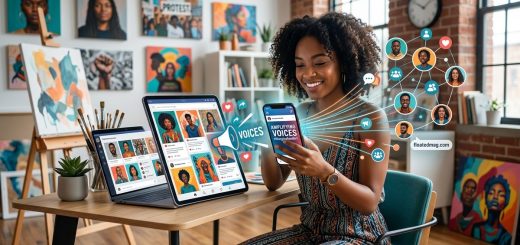
Social media provides artists with a direct line to their audiences. Unlike traditional galleries or art institutions, platforms like Instagram, TikTok, and Twitter allow creators to showcase their work without gatekeepers. This shift has democratized artistic visibility, empowering emerging talents to find their niche and build followings from scratch.
For example, artists now upload process videos, behind-the-scenes glimpses, and finished pieces, creating a more personal connection. This transparency invites viewers into the artist’s world, fostering a sense of community. Additionally, social media encourages experimentation with new formats like digital art, GIFs, or interactive posts that challenge traditional notions of art.
The rise of viral art and cultural movements
Social media accelerates the spread of artistic trends and cultural movements. A piece that resonates can quickly go viral, influencing other artists and sparking collective action. The viral nature of online content means artworks and ideas can reach global audiences within hours, shaping public discourse and social conversations.
Take the example of viral TikTok art challenges, where users recreate or interpret specific themes. These trends can lead to larger movements that influence fashion, design, and even political activism. Artists leverage hashtags and platform algorithms to amplify their messages, turning individual works into symbols of broader cultural shifts.
Collaboration and collective creation in the digital age
One of social media’s most exciting impacts is its ability to foster collaboration across borders. Artists can now connect with peers, share ideas, and co-create projects without geographical constraints. Digital communities form around shared interests, leading to innovative collaborations.
For instance, digital art collabs often involve multiple creators contributing different elements to a single piece. Memes and digital collages exemplify collective creativity, blending diverse influences into new forms. Platforms like Discord or Reddit serve as hubs for these communities, where feedback and ideas flow freely.
How social media blurs boundaries between art and life
Participatory art forms flourish on social media. Artists design interactive projects that invite viewer participation, turning passive observers into active contributors. Hashtag campaigns and user-generated content enable art to become a shared experience.
An example is the rise of social media art installations, where audience interaction influences the work in real-time. This participatory approach democratizes art’s role, making it more accessible and engaging for diverse audiences. It also shifts the perception of art from static objects to dynamic, living conversations.
Challenges of navigating the social media art landscape
Despite its many benefits, social media creates challenges for artists. The sheer volume of content makes standing out difficult. Oversaturation can drown out individual voices, leading to a focus on trends rather than meaningful work.
Moreover, commercialization and the pressure for constant content creation can dilute artistic integrity. Artists must balance authenticity with the demands of platform algorithms and audience expectations. Copyright issues and digital authenticity also pose ongoing concerns.
Practical steps for artists and enthusiasts to thrive online
Navigating social media effectively involves intentional strategies. Here are three steps to maximize impact:
- Identify your niche: Focus on a specific style or message that reflects your unique voice. Consistency builds recognition.
- Engage authentically: Interact with followers, respond to comments, and participate in community challenges to foster genuine connections.
- Leverage platform features: Use stories, reels, or live sessions to diversify content and reach wider audiences.
For artists seeking to build a sustainable online presence, understanding platform algorithms and analytics can help refine strategies and improve visibility.
Techniques for impactful social media art and common pitfalls
| Techniques | Mistakes to Avoid |
|---|---|
| Consistent posting | Overposting and spamming |
| Authentic storytelling | Ignoring audience engagement |
| Utilizing platform features | Relying solely on viral trends |
| Collaborating with others | Copying styles without originality |
Expert advice on social media and art
“Authenticity is the key to standing out. Share your process, your struggles, and your inspirations. People connect with genuine stories more than perfect polished images.” — Jane Doe, digital artist
How social media influences cultural movements
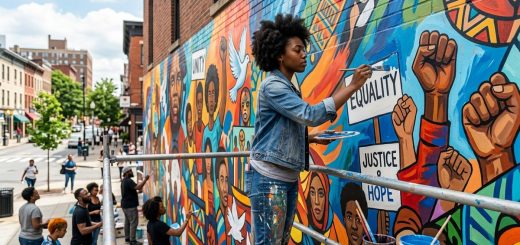
Beyond individual art, social media acts as a catalyst for societal change. Movements like Black Lives Matter or climate activism gain momentum through online sharing. Artists become voices within these movements, using their craft to highlight issues and mobilize support.
Cultural shifts happen faster now, as social media amplifies voices that might otherwise remain unheard. Artistic expressions tied to social causes often gain viral traction, shaping public opinion and policy discussions.
Final thoughts: embracing the digital canvas
Social media has become more than a platform for sharing art; it is a dynamic space for innovation, collaboration, and cultural dialogue. Artists who understand its potential and pitfalls can harness it to grow creatively and socially. For art enthusiasts, engaging with these platforms offers a chance to discover, support, and influence contemporary movements.
As social media continues evolving, staying adaptable and authentic remains vital. Whether you’re creating or appreciating art, embracing this digital shift opens up endless possibilities for expression and connection.
Fostering creativity in the age of social media
In the end, social media’s impact on artistic expression is about expanding the canvas beyond traditional boundaries. It democratizes access, facilitates new collaborations, and accelerates cultural change. By staying true to your voice and engaging thoughtfully, you can thrive in this vibrant digital landscape. Keep experimenting, sharing, and connecting—your art can inspire and influence the world in ways never before possible.