Why 2026’s Most Exciting Music Collaborations Are Happening Across Genres
The music industry in 2026 has a new heartbeat. It does not come from one genre, one city, or one sound. It comes from the space between them. The most exciting music collaboration trends this year are not about two pop stars trading verses. They are about a country singer and a hyperpop producer sharing a laptop. They are about a jazz trio remixing a drill beat. And they are happening everywhere, from sold out arenas to bedroom studios in the middle of Ohio. For A&R scouts, label managers, and festival bookers, understanding this shift is not optional. It is the difference between catching the wave and watching it pass you by.
Cross-genre collaborations in 2026 are driven by three forces: the rise of fluid artist identities, fan demand for surprising live moments, and the algorithmic push for hybrid sounds. A&R teams that pair artists from different sonic worlds see higher streaming retention and stronger festival bookings. The old rule of “stay in your lane” no longer applies.
Why Genres Are Melting Faster Than Ever
The walls between genres started cracking years ago. But 2026 is the year they fall apart. Listeners under thirty grew up on algorithm driven playlists that mix Frankie Goes to Hollywood with modern trap. They do not see genre as a rule. They see it as a suggestion.
This matters for labels and managers. If you are still sorting artists into boxes labeled “rock” or “R&B,” you are missing the point. The audience wants tension. They want a banjo over a 808 beat. They want a folk singer whose voice cracks over a synth pad. That tension creates the kind of buzz that drives streaming numbers and ticket sales.
Take the recent pairing of a Nashville songwriter with a Berlin based electronic producer. On paper, it sounds like a mismatch. In practice, the track hit 15 million streams in its first month because it felt new. The algorithm rewarded the surprise. The fans shared it. The festival bookers called.
How to Spot a Cross-Genre Pairing That Will Work
Not every odd couple works. Some pairings feel forced. Others feel like a gimmick. The ones that land share a few common traits. If you are scouting for your label or booking a festival stage, use this checklist.
- Complementary textures, not competing egos. The best collaborations let each artist do what they do best. A jazz vocalist needs space to breathe. A metal guitarist needs room to shred. If the track tries to please both fanbases equally, it often pleases neither.
- Shared lyrical territory. A country artist and a hip hop producer might sound different, but if they both sing about heartbreak or working class struggle, the song has emotional glue.
- A willingness to break the form. The most exciting 2026 music collaboration trends come from artists who let the song dictate the structure. A verse might be six bars. A chorus might not come back. Fans love being surprised.
The Three Models Driving 2026 Music Collaboration Trends
There is no single way to build a cross-genre hit in 2026. But most successful collaborations fall into one of three models.
- The feature swap. Artist A appears on Artist B’s track. Artist B returns the favor. This is the oldest model, but it works because it introduces each fanbase to the other. The trick in 2026 is to choose a partner whose audience does not overlap at all. A pop singer featuring a death metal guitarist gets more attention than two pop singers trading verses.
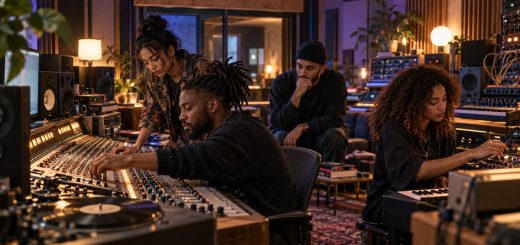
- The co-write and produce. Both artists sit in the same room (or same Zoom) and build the track from scratch. This is harder to schedule but often yields the most original results. The chemistry between the two creators becomes part of the song’s story.
- The collective project. A group of artists from different genres release a joint EP or album. This model is gaining traction because it creates a shared narrative. Fans of one artist discover the others. The whole becomes bigger than the sum of its parts. Many of the 7 independent record labels you need to know in 2026 are built on this model.
What Works and What Does Not
Here is a breakdown of the techniques that succeed in 2026 and the mistakes that kill a collaboration before it starts.
| Technique | Why It Works | Common Mistake |
|---|---|---|
| Let each artist lead on their own section | Gives both fanbases a moment to connect | Forcing both artists to sing the same melody |
| Use a producer who works across genres | Brings a neutral sonic palette | Picking a producer who only knows one style |
| Release a behind the scenes video | Builds emotional investment | Overproducing the reveal to feel fake |
| Tour the collaboration live | Creates a shared memory for fans | Booking venues too large for the combined draw |
Advice from a Seasoned Festival Booker
I spoke with a festival booker who has programmed main stages for over a decade. Here is what she had to say about the shift.
“The days of booking a pure hip hop stage and a pure country stage are ending. Our audience wants to walk from one tent to the next and hear a thread. They want to see a banjo player sit in with an electronic act. We book with crossovers in mind now. If an artist refuses to collaborate outside their genre, we hesitate to book them. It tells us they are not paying attention to what the crowd actually wants.”
That is a strong signal. If festival bookers are using cross-genre willingness as a filter, then labels and managers need to make sure their artists are ready to say yes to the right partnership.
How to Build a Cross-Genre Collaboration Strategy
If you are an A&R scout or label manager, you do not need to wait for artists to find each other. You can build a strategy. Here is a numbered process that works for 2026.
- Audit your roster for sonic outliers. Find the artist who has a folk song in their catalog and a club banger. That artist is your bridge.
- Identify three artists from other genres whose fans share a demographic or value. A punk band and a bluegrass act might both attract listeners who value authenticity and live energy.
- Set up a low stakes writing session. Do not talk about a single yet. Just let them write together for two days. If something clicks, great. If not, no harm done.
- Document the process. Put a camera in the room. The story of two different worlds colliding is often more valuable than the song itself. Fans love seeing how the sausage gets made.
- Test the track on a small audience. Play it at a club night or a listening party before you release it. Watch the room. If people move between genres naturally during the song, you have a hit.
The Role of Algorithmic Playlists in 2026
Streaming platforms in 2026 are built to reward surprise. The algorithm notices when a track holds listeners who normally listen to a different genre. That retention signals that the song is doing something special. It triggers more recommendations.
This is why the hidden power of algorithmic playlists is so important for cross-genre work. If you release a collaboration that keeps a pop fan listening to a country song, the algorithm pushes it harder. The key is to make sure the track does not alienate either audience. A little confusion is good. Total rejection is not.
Why Live Performance Is the Ultimate Test
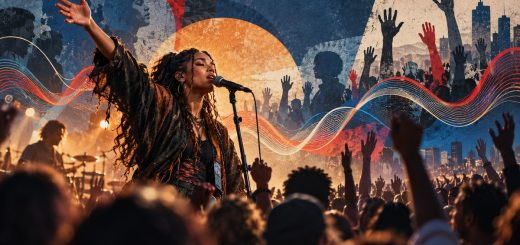
A recorded collaboration can be polished. A live performance cannot hide. That is why the most exciting 2026 music collaboration trends are being tested on stage first.
When two artists from different worlds perform together live, the crowd reaction tells you everything. If people cheer when the genre shifts, you have something. If they pull out their phones, you have a moment. If they stand still, you need to go back to the studio.
How contemporary musicians are using virtual reality to transform live performances in 2026 is adding another layer. Imagine a virtual concert where a country artist appears on stage with a digital avatar of a K-pop star. That is not science fiction. It is happening this year.
The Future of the Feature
The feature used to be a marketing tool. Slap a big name on a track and watch the streams grow. That era is ending. Fans are too smart for that. They can smell a cash grab from a mile away.
In 2026, a feature needs to feel inevitable. It needs to make the listener think, “Of course those two made a song together.” That inevitability comes from shared values, complementary sounds, and genuine respect between the artists. It cannot be faked.
How music collectives are rethinking collaboration in 2026 shows that artists are forming long term partnerships instead of one off features. These collectives function like creative families. They produce albums, tour together, and build a shared brand. For a label, investing in a collective can be more valuable than signing individual artists.
The Sound of Next Year
If you want to know what 2027 will sound like, look at the cross-genre collaborations happening right now. The pairings that feel strange today will feel normal next year.
A few trends to watch.
- Country and electronic music are merging faster than anyone predicted. The pedal steel over a four on the floor beat is becoming a staple.
- Jazz musicians are collaborating with hip hop producers to create instrumental albums that sample old vinyl and live horns.
- Punk energy is showing up in pop music again, but this time it is mixed with hyperpop production and auto tune.
Why the 2026 underground jazz revival is fueling the next generation of genre bending artists is a perfect example. Those jazz players are not staying in jazz clubs. They are in studios with rappers. They are on festival stages with electronic acts. They are the secret weapon of the most exciting collaborations in the industry.
A Practical Note for Industry Professionals
If you are reading this as a label manager or A&R scout, here is your homework. Look at your current roster. Find the artist who is most willing to experiment. Reach out to an artist from a completely different world. Do not pitch a business deal. Pitch a creative experiment.
The best collaborations in 2026 start with a text message that says, “I love your voice. I make weird sounds. Want to try something together?”
That is how the magic happens. Not in a boardroom. Not in a spreadsheet. In a room where two people who love music decide to break the rules together.
Where This Is Heading Next
The 2026 music collaboration trends are not a phase. They are a structural shift in how music gets made, marketed, and consumed. The artists who refuse to collaborate across genres will find themselves playing to smaller rooms. The ones who embrace the friction will define the sound of the next decade.
For festival bookers, this means rethinking lineups. For label managers, it means rethinking rosters. For fans, it means the most exciting music of their lives is still being written.
The only question is whether you are ready to be part of it.