How Contemporary Artists Use Social Media to Amplify Marginalized Voices
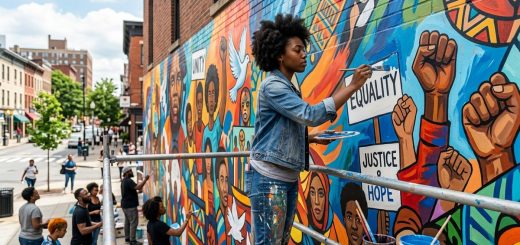
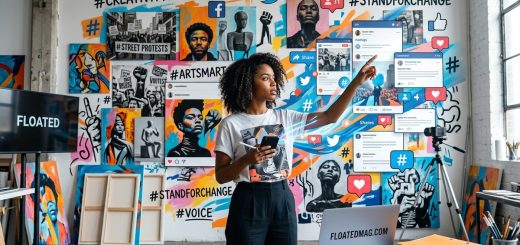
Contemporary artists are transforming the way marginalized voices are heard by harnessing the power of social media. These digital platforms break down traditional barriers, allowing artists to connect directly with audiences, advocate for social justice, and highlight underrepresented communities. Social media has become a vital tool for activism and cultural expression, giving artists the means to challenge norms and amplify voices that might otherwise remain unheard. It’s a dynamic space where creativity meets advocacy, shaping a more inclusive conversation around art and society.
Contemporary artists are using social media to elevate marginalized voices by sharing authentic stories, engaging audiences directly, and building communities for social justice. This digital shift fosters greater visibility and impact for underrepresented groups in art and society.
How social media empowers marginalized communities through art
Social media offers a platform for marginalized artists to tell their stories without gatekeepers. Historically, many voices faced barriers to entry in mainstream galleries or institutions. Now, platforms like Instagram, TikTok, Twitter, and Facebook allow artists from diverse backgrounds to share their work and experiences directly. This democratization of visibility helps to challenge stereotypes and foster understanding.
Artists can showcase their cultural practices, personal narratives, and social issues through visuals, videos, and live streams. For example, Indigenous artists use social media to share traditional techniques and stories, fostering cultural pride and awareness. Similarly, LGBTQ+ artists leverage these platforms to highlight issues of identity and acceptance, creating safe spaces for dialogue.
Strategies contemporary artists use to amplify marginalized voices
Many artists employ specific tactics to maximize their impact on social media. Here are some of the most effective approaches:
-
Authentic storytelling – Sharing personal journeys and community histories makes their messages resonate deeply. Authentic stories foster empathy and understanding.
-
Collaborative projects – Partnering with other artists, activists, or organizations helps reach broader audiences and create collective impact.
-
Using hashtags and campaigns – Hashtags like #BlackArtMatters or #QueerArtists elevate visibility and connect similar voices across the globe.
-
Visual activism – Creating striking images, videos, and memes that communicate social messages quickly and memorably.
-
Live engagement – Hosting Q&A sessions, virtual gallery tours, or workshops to engage followers in real time.
-
Challenging stereotypes – Using art to confront misconceptions and present nuanced narratives about marginalized groups.
Practical steps for artists aiming to use social media effectively
To start leveraging social media for social justice and marginalized voices, consider these steps:
- Identify your core message or community focus.
- Curate a consistent visual and narrative style that reflects your voice.
- Use relevant hashtags to increase discoverability.
- Engage authentically with followers and other creators.
- Collaborate with community leaders and organizations.
- Share behind-the-scenes content to humanize your work.
- Measure engagement to refine your approach over time.
Techniques and pitfalls in using social media for social change
| Techniques | Mistakes to Avoid |
|---|---|
| Authentic storytelling | Over-polishing content that loses genuine voice |
| Consistent branding | Ignoring community feedback |
| Leveraging hashtags | Using hashtags inappropriately or excessively |
| Collaborating with community leaders | Failing to credit or acknowledge contributors |
| Engaging in real-time conversations | Neglecting to moderate comments or misinformation |
“Social media can be a powerful tool for amplifying marginalized voices when used with intention and respect. Authenticity and community engagement are key.” — Art activist and social media strategist
Examples of artists making a difference online
Several contemporary artists stand out for their impactful social media campaigns. For instance, Kehinde Wiley uses Instagram to showcase portraits that challenge traditional representations of Black identity. Similarly, Zanele Muholi shares powerful photographs documenting LGBTQ+ life in South Africa, fostering visibility and dialogue.
Another example is the #BlackArtistsMatter movement, which originated online and prompted global conversations about representation and access in art. These campaigns demonstrate how social media can serve as a catalyst for change.
The future of marginalized voices in digital art spaces
As technology evolves, new tools like augmented reality and virtual galleries are expanding ways for marginalized artists to showcase their work. Social media’s influence will likely grow, making it easier for underrepresented communities to find a global audience. Meanwhile, platforms are increasingly aware of their role in shaping cultural narratives and are working toward more inclusive policies.
Yet, challenges remain. Algorithm biases and digital divides can limit reach. Continued advocacy and awareness are necessary to ensure social media remains a space where all voices can thrive.
A call for conscious engagement and ongoing dialogue
Using social media thoughtfully can help foster a more inclusive art world. Artists and audiences alike have roles to play in promoting authenticity, respecting identities, and supporting marginalized creators. By embracing these strategies, art enthusiasts and activists can contribute to a richer, more equitable cultural landscape.
Final thoughts: making social media work for social justice
The power of social media lies in its ability to amplify voices that might otherwise be silenced. For contemporary artists, it’s a tool to challenge norms, showcase diversity, and ignite conversations about social justice. Whether you are an artist, student, or activist, engaging with these platforms consciously can make a real difference. Start by sharing honest stories, supporting marginalized creators, and participating in online communities that prioritize inclusion.
Nurturing change through digital artistry
In the end, the impact of social media on marginalized voices depends on how we choose to use it. Small actions—like sharing a meaningful post or collaborating with others—can ripple outward and inspire broader shifts. By nurturing a respectful and authentic digital environment, we help ensure that art continues to be a powerful force for social change.
Remember: social media is a tool. It’s up to us to use it responsibly and creatively to foster understanding and amplify voices that deserve to be heard. Every post, comment, and share can contribute to a more just and inclusive artistic community.